
Clean Living Blog | Men's Grooming & Ingredient Education | HygieneLab
Why Your Shampoo Might Be Hurting Your Hair (And What to Use Instead)
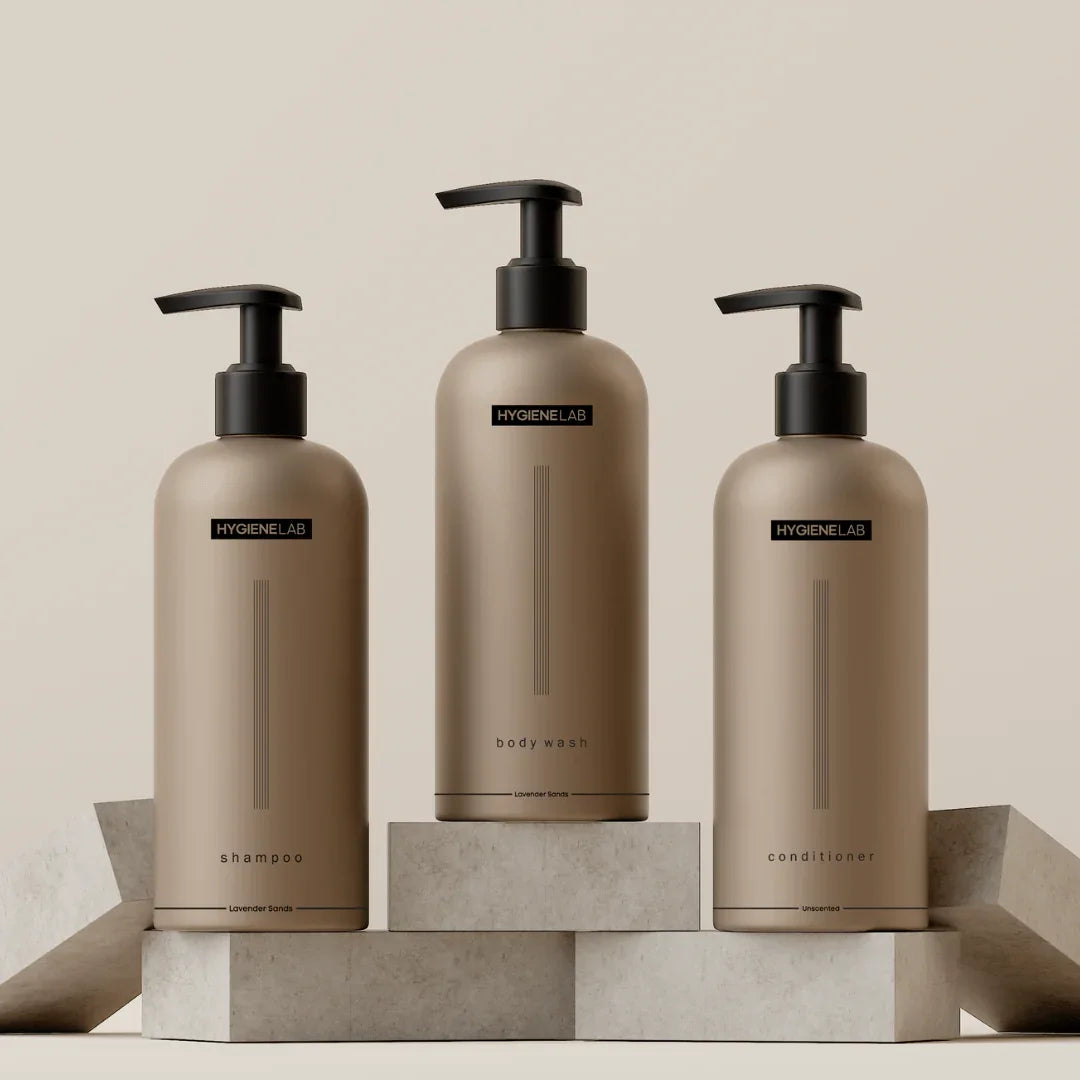
Why Your Shampoo Might Be Hurting Your Hair (And What to Use Instead) Most men don't think much about their shampoo. You grab whatever's in the shower, lather up, rinse, and move on. It's just shampoo, right? Here's the thing: the shampoo you use every day has a significant impact on the health of your hair and scalp — and most conventional formulas are working against you without you knowing it. Stripping your scalp's natural oils. Coating your hair with silicones that mimic health without delivering it. Exposing you to hormone-disrupting chemicals every single morning. This is what's actually in your shampoo — and what to look for instead. The Problem With Most Men's Shampoos Walk into any drugstore and the men's shampoo aisle is full of products that promise strong, healthy hair. But flip them over and look at the ingredient list. You'll find a handful of ingredients that are doing more harm than good. Sulfates: The Ingredient Stripping Your Scalp Sodium lauryl sulfate (SLS) and sodium laureth sulfate (SLES) are the foaming agents in most conventional shampoos. They're cheap, they create a satisfying lather, and they clean effectively — sometimes too effectively. Sulfates strip the scalp of its natural sebum, the oil your body produces to protect and moisturize your hair and skin. When you strip that oil away daily, your scalp responds by overproducing oil to compensate — leading to greasier hair that needs washing more frequently. It becomes a cycle: the more you wash, the oilier your scalp gets, the more you need to wash. For men with dry scalp, dandruff, or sensitive skin, sulfates can cause irritation, flaking, and inflammation. They also fade color-treated hair faster and strip the protein bonds that keep hair strong. Silicones: The Illusion of Healthy Hair Look for ingredients ending in "-cone," "-conol," or "-xane" — dimethicone, cyclomethicone, amodimethicone. These are silicones, and they're in the majority of conventional shampoos and conditioners. Silicones coat the hair shaft, creating a smooth, shiny appearance that mimics healthy hair. The problem: they don't actually improve hair health. They build up over time, weighing hair down, blocking moisture from penetrating the hair shaft, and suffocating the scalp. The only way to remove silicone buildup is with — you guessed it — more sulfates. The two ingredients essentially require each other, trapping you in a cycle of artificial shine and chemical dependency. Synthetic Fragrance: The Hidden Chemical Cocktail "Fragrance" or "parfum" appears on the ingredient list of most shampoos as a single word. But that word can represent a blend of potentially hundreds of undisclosed chemicals — including known allergens, hormone disruptors, and sensitizers. In the United States, fragrance formulas are considered trade secrets, meaning companies are not required to disclose what's in them. When you see "fragrance" on a label, you have no idea what you're actually putting on your scalp and skin every day. Parabens: Preservatives Linked to Hormone Disruption Methylparaben, propylparaben, butylparaben — these preservatives keep shampoos shelf-stable for years. They're also among the most studied endocrine disruptors in personal care products. Parabens mimic estrogen in the body and have been detected in human tissue. While regulatory bodies consider them safe at current levels, the cumulative daily exposure from multiple products adds up over a lifetime. What Your Scalp Actually Needs A healthy scalp is the foundation of healthy hair. And a healthy scalp needs three things: gentle cleansing, proper hydration, and protection of its natural barrier. The ingredients that deliver this look very different from what's in most men's shampoos: Plant-Based Cleansers Ingredients like sodium laurylglucosides hydroxypropylsulfonate and disodium cocoyl glutamate clean the scalp and hair effectively without stripping natural oils. They're derived from coconut and sugar, they're biodegradable, and they're gentle enough for daily use without triggering the oil-overproduction cycle that sulfates cause. Hydrolyzed Protein and Amino Acids These ingredients penetrate the hair shaft and actually strengthen it from within — not just coat the outside. Hydrolyzed proteins help repair damage, reduce breakage, and improve the hair's ability to retain moisture. This is real hair health, not the illusion of it. Aloe Vera Aloe vera is one of the most effective scalp-soothing ingredients available. It hydrates without leaving residue, reduces inflammation, and helps maintain the scalp's natural pH balance. It's also rich in vitamins and enzymes that support healthy hair growth. Panthenol (Vitamin B5) Panthenol is a humectant — it draws moisture into the hair shaft and locks it in. It also adds volume without heaviness and improves the hair's elasticity, reducing breakage. Unlike silicones, it actually delivers moisture rather than simulating it. What to Look for in a Non-Toxic Men's Shampoo Reading a shampoo label shouldn't require a chemistry degree. Here's a simple checklist: Sulfate-free — avoid SLS (sodium lauryl sulfate) and SLES (sodium laureth sulfate) Silicone-free — avoid ingredients ending in -cone, -conol, or -xane No synthetic fragrance — look for "essential oils" or specific botanical extracts instead of "fragrance" or "parfum" Paraben-free — avoid methylparaben, propylparaben, butylparaben Third-party verified — EWG Verified, Yuka Excellent, or Think Dirty rated means an independent organization has reviewed the full formula Positive ingredients — look for aloe vera, plant-based proteins, panthenol, and botanical extracts that actually nourish How HygieneLab's Shampoo Is Different HygieneLab's shampoo was formulated around one principle: every ingredient has to earn its place. No fillers, no silicones, no synthetic fragrance, no sulfates, no parabens. Instead, the formula is built on plant-based cleansers that clean without stripping, hydrolyzed protein and amino acids that strengthen hair from within, and aloe vera that soothes and hydrates the scalp. It's scented with lavender, patchouli, and frankincense essential oils — never synthetic fragrance. Every HygieneLab shampoo is EWG Verified, rated Excellent on Yuka, and made in California. It's not just free from the bad stuff — it's packed with ingredients that actually improve your hair over time. The difference most men notice first: their scalp stops overproducing oil. When you stop stripping your scalp with sulfates, it stops compensating. Hair stays cleaner longer, feels lighter, and looks healthier — not because of a silicone coating, but because the hair itself is in better condition. Making the Switch: What to Expect If you've been using sulfate-heavy shampoos for years, your scalp may take a week or two to recalibrate. During this adjustment period, hair might feel different — sometimes more oily as your scalp adjusts, sometimes drier as it figures out its new normal. This is temporary. Most men find that after two to three weeks, their scalp produces less oil, their hair feels cleaner for longer between washes, and they need to shampoo less frequently. That's a sign that your scalp's natural balance has been restored. The Bottom Line The shampoo most men use every day is designed to be cheap to produce and to feel good in the shower — not to actually improve hair health. Sulfates, silicones, synthetic fragrance, and parabens are the building blocks of most conventional formulas, and all four come with legitimate concerns. Switching to a sulfate-free, silicone-free, non-toxic shampoo is one of the simplest upgrades you can make to your daily routine. Your scalp will thank you within weeks. HygieneLab's shampoo is EWG Verified, Yuka Excellent rated, and free from every ingredient on this list. Try it risk-free for 60 days here. — The HygieneLab Team
Learn moreWhat Does EWG Verified Mean? Why It Matters for Your Grooming Routine
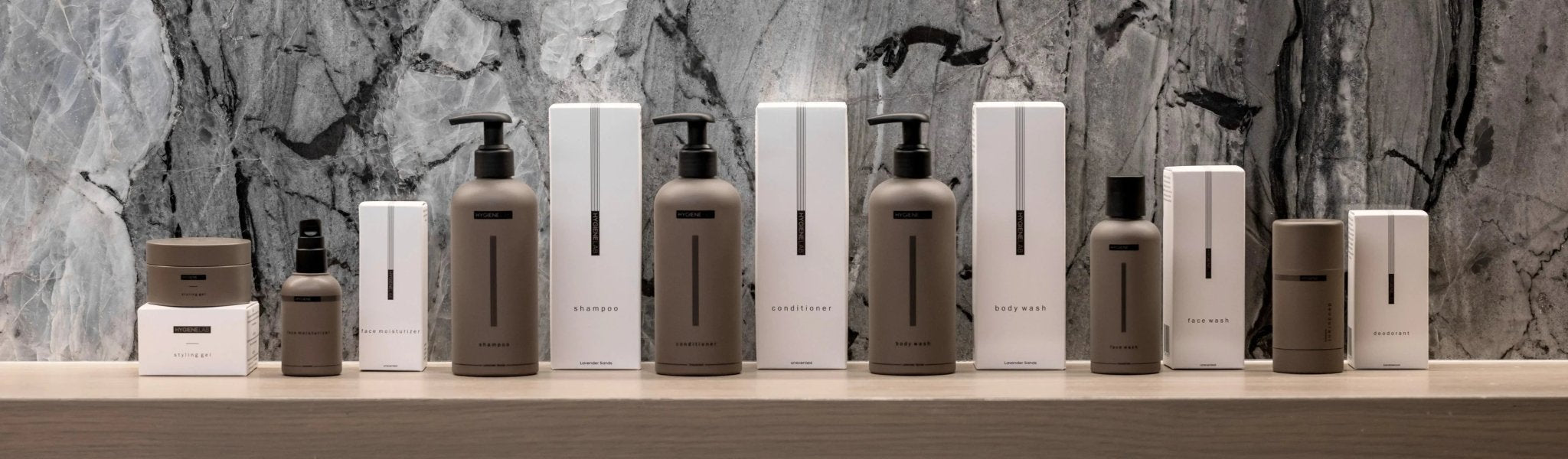
What Does EWG Verified Mean? And Why It Matters for Your Grooming Routine You've probably seen the EWG Verified seal on a product and thought: what does that actually mean? Is it just another marketing badge, or does it actually tell you something useful about what's in the bottle? The short answer: EWG Verified is one of the most rigorous independent safety certifications in personal care. And most brands — even ones that market themselves as "natural" or "clean" — can't get it. Here's everything you need to know. What Is EWG? EWG stands for the Environmental Working Group — a nonprofit organization founded in 1993 that researches and advocates for human health and environmental protection. They're best known for their Skin Deep database, which rates over 70,000 personal care products and ingredients for safety. EWG doesn't take money from the brands they review. They're independently funded, which means their ratings aren't influenced by who pays them. When they flag an ingredient as a concern, it's based on the scientific literature — not a company's marketing budget. What Does EWG Verified Actually Mean? EWG Verified is their premium certification — a step above simply being listed in their database. To earn EWG Verification, a product must meet four strict criteria: 1. No Ingredients of Concern Every ingredient in the formula must be free from EWG's list of chemicals of concern. This includes: Parabens (preservatives linked to hormone disruption) Phthalates (plasticizers linked to endocrine disruption) Formaldehyde and formaldehyde-releasing preservatives Synthetic fragrance (which can hide hundreds of undisclosed chemicals) Aluminum compounds (linked to estrogenic activity) SLS and SLES (sulfates that strip the skin barrier) Oxybenzone and other harmful UV filters And dozens of other flagged compounds This is not a simple checklist. EWG reviews each ingredient against the full body of scientific literature — including studies on toxicity, carcinogenicity, hormone disruption, and environmental impact. 2. Full Transparency The brand must disclose every ingredient on the label — including fragrance components, which most companies are not legally required to reveal. "Fragrance" is a legal loophole that allows companies to hide proprietary blends of potentially hundreds of chemicals under a single word. EWG Verified products cannot use this loophole. 3. Good Manufacturing Practices The product must be manufactured according to good manufacturing practices (GMP) — standards that ensure consistency, quality, and safety in production. This rules out products made in facilities with poor quality controls. 4. Accurate Labeling What's on the label must match what's in the bottle. EWG verifies that ingredient lists are accurate and not misleading. No greenwashing, no hidden ingredients, no vague claims. How Hard Is It to Get EWG Verified? Harder than most people realize. Out of the tens of thousands of products in EWG's Skin Deep database, only a small fraction carry the EWG Verified seal. Many brands that market themselves as "clean," "natural," or "non-toxic" do not qualify — because when you look at their full ingredient lists, something doesn't pass. Common reasons brands fail EWG Verification: Use of "fragrance" or "parfum" without disclosure Preservatives that release formaldehyde Ingredients with insufficient safety data Misleading or incomplete ingredient labeling Manufacturing in facilities that don't meet GMP standards The process requires brands to submit complete formulas, manufacturing information, and labeling for review. It's not something you can buy or shortcut your way into. EWG Verified vs. "Natural" vs. "Clean" The words "natural" and "clean" on a personal care product mean nothing legally. There is no regulatory standard for either term in the United States. Any brand can put "natural" on their label regardless of what's actually in the formula. "EWG Verified" is different. It's a defined standard, independently reviewed, with specific criteria that must be met and maintained. Here's how it stacks up: "Natural" — no legal definition, no third-party review, no standards "Clean" — no legal definition, self-defined by each brand "Non-toxic" — no legal definition, self-certified EWG Verified — independent review, specific criteria, ongoing compliance required When a brand calls their products "clean" without EWG Verification, they're essentially asking you to trust their own word about their own products. EWG Verified means a third party has checked. What About Yuka and Think Dirty? EWG isn't the only organization rating personal care products for safety. Two other tools worth knowing: Yuka Yuka is a mobile app that lets you scan product barcodes and get an instant safety rating. It uses a scoring system based on ingredient safety data, with ratings from "Poor" to "Excellent." Yuka Excellent is their highest rating, given only to products with clean, safe formulas. HygieneLab products earn Yuka's Excellent rating across the board. Think Dirty Think Dirty is another ingredient safety app that rates products on a scale of 0 to 10 — where 0 means cleanest and 10 means most concerning. HygieneLab's new deodorant scores a 0 on Think Dirty, meaning it's as clean as it gets by their standards. Carrying all three — EWG Verified, Yuka Excellent, and Think Dirty 0 — is rare. Most brands that claim to be clean don't survive scrutiny from even one of these independent tools. Why Most Men's Grooming Brands Aren't EWG Verified The mainstream men's grooming market has historically prioritized performance and scent over ingredient safety. Many of the most popular brands — including ones positioned as "premium" — rely on synthetic fragrances, aluminum compounds, and preservatives that wouldn't pass EWG's review. Even some brands marketed specifically as "natural" or "clean" for men fall short. Without independent verification, there's no way to know if their "clean" claims hold up under scrutiny. HygieneLab was built from the ground up to meet the standard that most brands avoid. Every formula we make — from our deodorant to our shampoo, conditioner, body wash, face wash, and moisturizer — carries EWG Verification. Not because it was easy, but because we believe it's the minimum bar for a brand that takes ingredient safety seriously. What EWG Verified Means for Your Daily Routine The average man applies 6 to 12 personal care products every day — shampoo, conditioner, body wash, deodorant, face wash, moisturizer. Each one absorbs into your skin to some degree. Over a lifetime, the cumulative exposure to whatever is in those products adds up. EWG Verified gives you a shortcut: instead of reading and researching every ingredient on every label, you can trust that someone with expertise has already done that work. The seal means the product has been reviewed against the full scientific literature and found to be free from ingredients of concern. It's not a guarantee that a product is perfect. But it is a meaningful, independently verified signal that the brand takes ingredient safety seriously — and has the receipts to prove it. The Bottom Line EWG Verified is not a marketing term. It's a rigorous, independently reviewed certification that requires full ingredient transparency, freedom from chemicals of concern, good manufacturing practices, and accurate labeling. Most brands can't get it — and many that call themselves "clean" haven't tried. Every HygieneLab product carries EWG Verification. Combined with Yuka Excellent ratings and Think Dirty scores of 0, it's the most thoroughly vetted men's grooming line available. If you're ready to upgrade your routine with products you can actually trust, explore the full HygieneLab lineup here. Every order ships free and comes with a 60-day money-back guarantee. — The HygieneLab Team
Learn moreIs Aluminum in Deodorant Safe? What the Research Actually Says
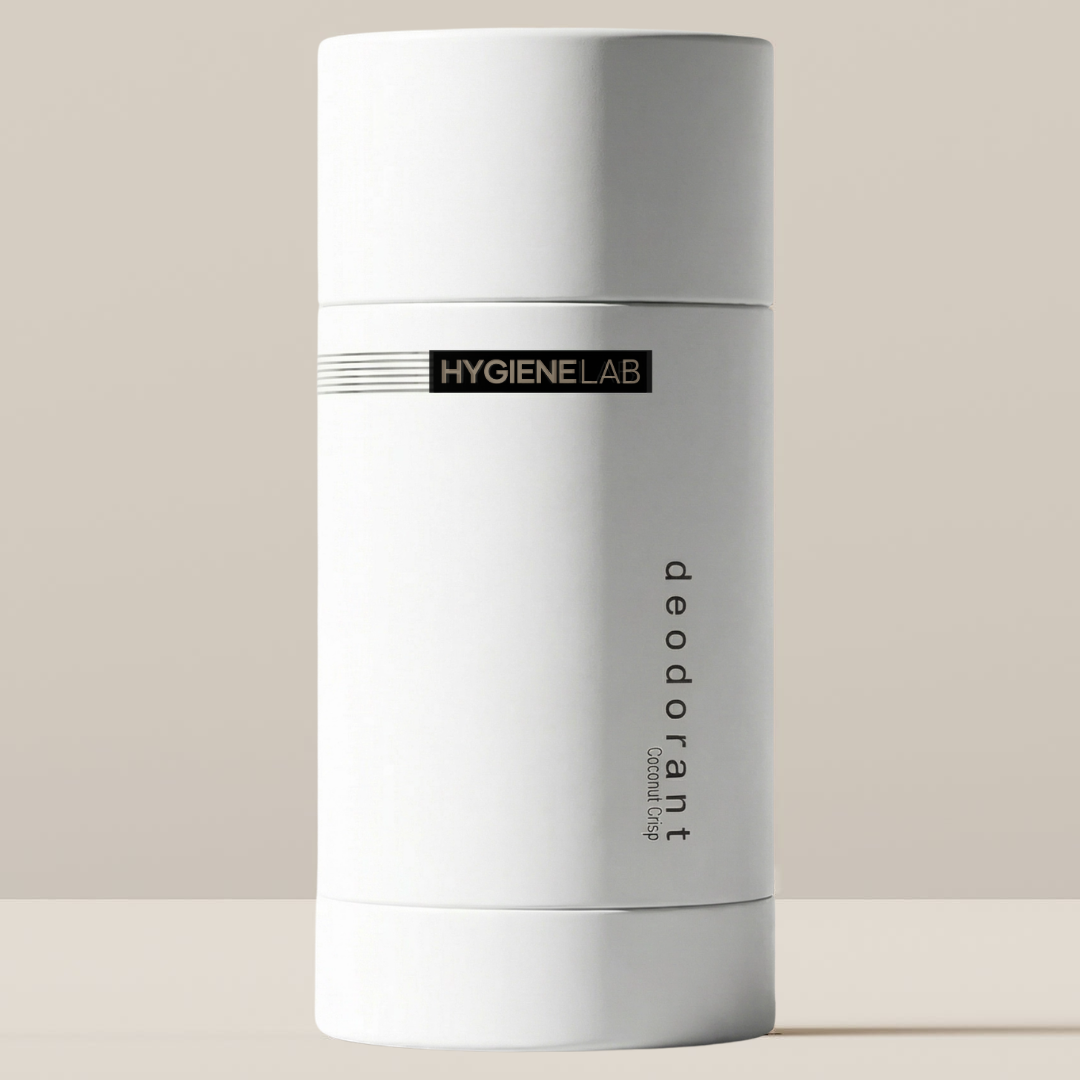
Is Aluminum in Deodorant Safe? What the Research Actually Says If you've ever flipped over a deodorant stick and squinted at the ingredient list, you've probably seen it: aluminum zirconium tetrachlorohydrex or aluminum chlorohydrate. It's in almost every conventional antiperspirant on the market. And for decades, most men didn't give it a second thought. But the conversation has changed. More men are asking: is aluminum in deodorant actually safe? And is there a real alternative that actually works? Here's what the research says — and why we built HygieneLab without it. What Does Aluminum Actually Do in Deodorant? First, it's important to understand the difference between a deodorant and an antiperspirant. Deodorant neutralizes odor-causing bacteria. It doesn't stop you from sweating — it just handles the smell. Antiperspirant uses aluminum salts to physically block your sweat ducts, preventing sweat from reaching the skin's surface. Most conventional products marketed as "deodorant" are actually antiperspirants — they contain aluminum specifically to stop sweating. And that aluminum is absorbed through the skin. What Are the Concerns About Aluminum? The debate around aluminum in personal care products has been ongoing for years. Here's what researchers have examined: Hormone Disruption Aluminum compounds have been shown to have estrogen-like (estrogenic) activity in some laboratory studies. Estrogen-mimicking chemicals — also called endocrine disruptors — can interfere with the body's hormonal signaling. While research is ongoing, the precautionary principle suggests that daily application of an estrogen-mimicking compound to thin underarm skin is worth examining carefully. Breast Cancer Research Several studies have investigated a potential link between aluminum-containing antiperspirants and breast cancer, given that antiperspirants are applied near breast tissue. The research here is mixed — most major cancer organizations state there is no conclusive evidence of a direct link, but researchers acknowledge that more long-term studies are needed. The proximity of application to breast tissue and the estrogenic activity of aluminum compounds keeps this an active area of investigation. Aluminum Accumulation Studies have detected elevated levels of aluminum in breast tissue samples. Daily application of aluminum-based products over decades raises questions about long-term accumulation — particularly given that the underarm area has high concentrations of lymph nodes. Skin Irritation On a more immediate level, aluminum salts are a common cause of underarm irritation, rashes, and staining on clothing. Many men experience skin reactions from conventional antiperspirants without knowing the culprit. What Does EWG Say About Aluminum? The Environmental Working Group (EWG) — the independent organization behind EWG Verification — flags aluminum compounds in personal care products as a moderate-to-high concern, citing: Endocrine disruption potential Concerns about organ system toxicity with repeated use Restricted use in cosmetics in some countries EWG Verified products must be completely free from aluminum compounds. Every HygieneLab product carries EWG Verification — meaning our formula has been independently reviewed and approved as safe. The Real Problem With Most "Natural" Deodorants Here's something the clean beauty industry doesn't always talk about: many aluminum-free deodorants still rely on irritating ingredients that cause rashes and skin reactions — leaving men frustrated and convinced that natural deodorant just doesn't work. The key is finding a formula that neutralizes odor effectively while being genuinely gentle on skin. HygieneLab uses Propanediol and Allantoin — ingredients that neutralize odor at the source without disrupting your skin's natural pH. The result is 24hr+ protection that works all day, without the irritation that makes most men give up on natural deodorant. What to Look for in an Aluminum-Free Deodorant If you're making the switch, here's what actually matters: No aluminum compounds — check for aluminum zirconium, aluminum chlorohydrate, or alum Skin-gentle formula — look for ingredients that neutralize odor without causing irritation No synthetic fragrance — "fragrance" on a label can hide hundreds of undisclosed chemicals Third-party verification — EWG Verified, Yuka Excellent, or Think Dirty score of 0 means someone other than the brand has reviewed the formula Proven all-day protection — look for real customer reviews, not just marketing claims The Bottom Line The research on aluminum in deodorant is not conclusive — but it's concerning enough that a growing number of men are choosing not to apply it to their skin every day. When a simple, effective alternative exists, the precautionary choice is easy. HygieneLab's aluminum-free deodorant is EWG Verified, has a Think Dirty score of 0, and is rated Excellent by Yuka — three independent safety certifications that no conventional antiperspirant can claim. And it actually works all day, without synthetic fragrance, without harmful aluminum compounds, and without compromise. Try it risk-free for 60 days. If it's not the best deodorant you've ever used, we'll refund you. No questions asked. Shop the HygieneLab deodorant here. — The HygieneLab Team
Learn more
Your Soap Is Stealing Your Testosterone
The Hidden Hormone Disruptors in Your Daily Routine Most guys don’t realize that their daily shower could be working against them. The problem? Fragrance—a common ingredient in body wash, shampoo, and deodorant—contains endocrine disruptors that throw your hormones off balance. Research published in peer-reviewed journals has consistently linked phthalates — a common component of synthetic fragrance — to reduced testosterone levels in men. One study published in Environmental Health Perspectives found that men with higher urinary phthalate concentrations had measurably lower testosterone. These aren't fringe findings: the endocrine-disrupting effects of phthalates are well-documented in the scientific literature and acknowledged by organizations including the EPA and EWG. Daily exposure through personal care products, applied directly to skin, adds up over time. That may not sound like much, but over time, it adds up—leading to real-world consequences like: 🚫 Less energy throughout the day🚫 More belly fat, no matter how clean you eat🚫 Harder to build muscle and stay lean🚫 Lower drive and motivation How Does Fragrance Affect Your Body? When you apply products with fragrance, the chemicals sink into your skin and enter your bloodstream. Many of these ingredients, like phthalates, parabens, and benzophenones, are known to interfere with testosterone production. The result? Your body struggles to maintain optimal hormone levels, leading to sluggish energy, stubborn fat, and a decrease in overall vitality. What Ingredients Should You Avoid? 🚫 Fragrance – Often a mix of undisclosed chemicals, including phthalates, that can disrupt hormones 🚫 Phthalates (DEP, DBP, DEHP) – Found in fragrance to make scents last longer, but linked to hormone disruption🚫 Parabens (Methylparaben, Propylparaben, Butylparaben) – Used as preservatives, but can mimic estrogen in the body🚫 Benzophenones (BP-1, BP-2, BP-3) – Common in sunscreens and some personal care products, can interfere with hormones🚫 Synthetic Musks (Galaxolide, Tonalide) – Accumulate in the body and disrupt endocrine function🚫 Triclosan – Found in some antibacterial soaps, known to affect hormone levels🚫 Sulfates (SLS, SLES) — Not a direct hormone disruptor, but a known skin barrier disruptor. By stripping the skin's natural protective layer, sulfates increase the absorption of other chemicals in your products — including the hormone disruptors listed above. They don't cause the problem directly, but they make it worse. How Clean Ingredients Improve Your Health Switching to clean, non-toxic ingredients can help restore your body's natural balance and improve overall well-being. When you eliminate hormone-disrupting chemicals, you may notice: ✅ More energy to power through your day ✅ Easier muscle growth and fat loss ✅ Stronger, healthier skin and hair ✅ Improved motivation and mental clarity We Do Things Differently Instead of fragrance, we use essential oils—giving you a clean, refreshing scent without the hormone-disrupting side effects. Our formulas are designed for men who actually care about their health, performance, and longevity. Upgrade Your Routine. Protect Your Testosterone. Your body deserves better. Switch to clean, non-toxic personal care and feel the difference. [Shop Now] Related Reading: The 4 Men's Grooming Brands to Avoid in 2026 (and Why) Is Aluminum in Deodorant Safe? What the Research Actually Says What Does EWG Verified Mean? And Why It Matters for Your Grooming Routine
Learn more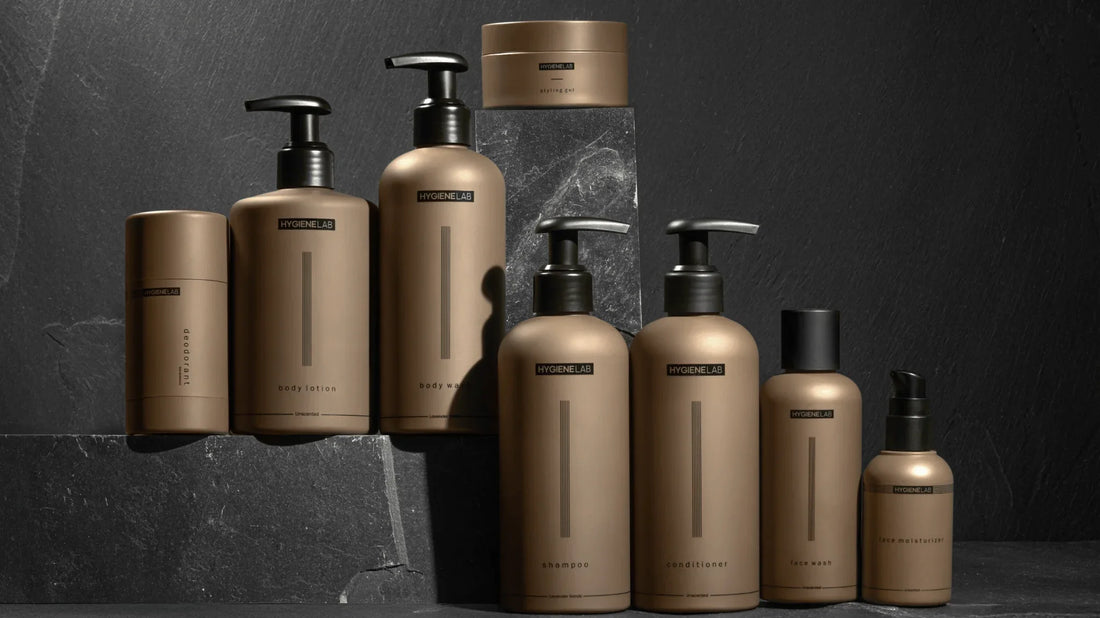
If You Care About Your Health, Read This Before Using Your Personal Care Products
In the world of personal care, marketing buzzwords like "natural," "clean," and "premium" are everywhere. But what do these labels actually mean? The truth is, many brands that claim to be good for you still use toxic ingredients—ones that could be harming your health every single day. At HygieneLab, we take personal care seriously. That means full transparency, no hormone-disrupting chemicals, and no hidden toxins. But not all brands can say the same. Here’s a closer look at four popular brands that might not be as clean as they seem—and why you should think twice before using them. Dr. Squatch: “Natural” Doesn’t Always Mean Safe Problem: Fragrance Dr. Squatch has built a reputation as a rugged, “all-natural” men’s brand. But there’s a hidden issue: fragrance. The term “fragrance” is a catch-all that can contain hundreds of undisclosed synthetic chemicals, many of which are known endocrine disruptors. These chemicals have been linked to hormone imbalances, reproductive issues, and even long-term health concerns. When a brand refuses to fully disclose what’s inside, it’s a red flag. Native: “Clean” Marketing, Dirty Ingredients Problem: Fragrance Native positions itself as a clean alternative, but their use of undisclosed fragrance blends raises concerns. Fragrance often contains phthalates, a group of chemicals linked to hormone disruption and potential reproductive harm. While Native avoids parabens and aluminum, not disclosing full fragrance ingredients means consumers are left guessing about what they’re actually putting on their skin. Particle for Men: Hidden Health Hazards Problems: Phenoxyethanol – A synthetic preservative that can cause skin irritation and may affect the nervous system. While it’s common in skincare, long-term exposure raises questions about its safety. DMDM Hydantoin – A formaldehyde-releasing preservative. Yes, you read that right—formaldehyde, a known carcinogen, is released over time from this ingredient. Why is a chemical linked to cancer still allowed in personal care? Good question. Particle for Men markets itself as premium and effective, but these ingredients have no place in a product meant for everyday use. Kiehl’s: Premium Price, Questionable Ingredients Problems: Red 4 – A synthetic dye that has been linked to skin sensitivities and is suspected to be carcinogenic. Why add unnecessary artificial coloring to skincare? POLYPERFLUOROMETHYLISOPROPYL ETHER – A PFAS chemical, also known as a “forever chemical” because it does not break down in the environment. PFAS are tied to hormone disruption and reproductive issues. Phenoxyethanol – This preservative strikes again. It’s widely used in premium skincare, but just because something is common doesn’t mean it’s safe. Kiehl’s has a long history in skincare, but the presence of harmful preservatives, synthetic dyes, and PFAS makes it far from clean. What You Can Do Instead If you care about your long-term health, it’s time to be more critical of the products you use daily. Just because a brand claims to be “clean” or “natural” doesn’t mean it actually is. Always check ingredient labels, research what’s inside, and choose brands that are fully transparent about their formulations. At HygieneLab, we believe in ingredient transparency, non-toxic formulas, and personal care that enhances your health—not harms it. Every single product we make is free from hormone disruptors, phthalates, parabens, and synthetic fragrances. Because you deserve better. 🚿 Make the switch to actually clean personal care. [Shop Now]
Learn more
The 4 Brands to Avoid in 2026 (and Why)
Not All "Clean" Brands Are What They Seem Every year, we uncover more about the ingredients hidden in our personal care products—and the truth isn’t always pretty. Some brands claim to be “clean” or “natural,” but when you look closely at their ingredient lists, you find they don’t live up to the hype. Here are four brands to avoid in 2026 and the ingredients they use that you’ll want to steer clear of: 1. Dr. Squatch Problem: Fragrance“Natural” doesn’t always mean safe. Dr. Squatch uses “fragrance” in their products, a catch-all term that can hide hundreds of synthetic chemicals, including endocrine disruptors. When a brand doesn’t fully disclose what’s inside, it’s a red flag. 2. Native Problems: Fragrance, Synthetic Preservatives, and Misleading "Clean" Marketing Native is one of the most heavily marketed "natural" personal care brands in the US — and one of the most misleading. Their branding, packaging, and messaging are designed to make you feel like you're making a healthy choice. But when you look at the actual ingredients, a different picture emerges. Synthetic Fragrance Like Dr. Squatch, Native relies on undisclosed fragrance blends in many of their products. The word "fragrance" on a label is a legal loophole that allows brands to hide proprietary chemical blends — including phthalates, which are linked to hormone disruption and reproductive issues. A brand that's truly committed to transparency doesn't hide behind this loophole. Is Native Actually Non-Toxic? This is one of the most searched questions about Native — and the answer is: it depends on the product, and they don't make it easy to find out. Native doesn't carry EWG Verification, isn't rated Excellent on Yuka across their line, and doesn't submit to independent third-party safety reviews. They self-certify as clean, which means you're taking their word for it. Does Native Body Wash Cause Cancer? Some Native body wash formulas have contained cocamide DEA — a surfactant classified by California's Prop 65 as a known carcinogen. While Native has reformulated some products over the years, the lack of independent verification makes it difficult to know exactly what's in each product at any given time. The bottom line on Native: Good marketing. Insufficient transparency. If a brand were truly confident in their formula, they'd submit it to independent verification. Native hasn't. 3. Particle for Men Problems: Phenoxyethanol: A synthetic preservative that can cause skin irritation and may affect the nervous system. DMDM Hydantoin: A preservative that releases formaldehyde, a known carcinogen. Yes, it’s as bad as it sounds—this ingredient has no place in personal care products marketed as clean or safe. 4. Kiehl’s Problems: Red 4: A synthetic dye linked to skin sensitivities and is suspected to be carcinogenic. POLYPERFLUOROMETHYLISOPROPYL ETHER: A PFAS chemical, also known as a “forever chemical” because it doesn’t break down in the environment. PFAS are tied to hormone disruption and reproductive issues. Phenoxyethanol: This preservative strikes again. It’s common in many brands that market themselves as premium, but that doesn’t make it safe. What Can You Trust?Here’s the truth: just because a brand claims to be clean or natural doesn’t mean it is. At HygieneLab, transparency isn’t just a buzzword—it’s a promise. Every ingredient we use is carefully chosen to enhance your health, not harm it. We steer clear of fragrance, formaldehyde-releasing preservatives, synthetic dyes, and harmful PFAS chemicals. HygieneLab is EWG Verified, rated Excellent on Yuka, and has a Think Dirty score of 0 — three independent certifications that none of the brands on this list can claim. Every ingredient is disclosed, every formula is third-party reviewed, and every product ships with a 60-day money-back guarantee. If you’re ready to start 2026 with personal care products that truly deliver on their promises, we’ve got you covered. Shop Clean Personal Care Now Related Reading: Is Aluminum in Deodorant Safe? What the Research Actually Says What Does EWG Verified Mean? And Why It Matters for Your Grooming Routine Why Your Shampoo Might Be Hurting Your Hair (And What to Use Instead) Your Soap Is Stealing Your Testosterone
Learn more
Uncover the Top 6 Ingredients to Avoid in 2025 for a Cleaner Grooming Routine
Shop Best Sellers When it comes to personal care, what’s not in your products matters as much as what is. Many mainstream grooming products are hiding harmful ingredients that could negatively affect your health and well-being. At HygieneLab, we’re here to help you navigate the aisles with confidence by uncovering the top six ingredients to avoid in 2025. Let’s take a closer look: 1. Phenoxyethanol Why it’s bad: This preservative is commonly used to prevent bacterial growth, but it can also cause skin irritation, allergic reactions, and even affect the nervous system in high doses. Phenoxyethanol has also been linked to reproductive toxicity in some studies, making it a top ingredient to skip. 2. Sodium Lauryl Sulfate (SLS) Why it’s bad: SLS is a harsh detergent and surfactant that creates foam in products like shampoos and body washes. Unfortunately, it’s known to strip your skin and hair of natural oils, leading to dryness and irritation. For those with sensitive skin, it’s especially problematic. 3. BHT (Butylated Hydroxytoluene) Why it’s bad: BHT is a synthetic antioxidant often used to extend the shelf life of products. However, it’s suspected of being a hormone disruptor and a potential carcinogen. BHT can also irritate the skin and pose environmental risks as a potential aquatic toxin. 4. Fragrance (Parfum) Why it’s bad: The term “fragrance” often hides a cocktail of undisclosed chemicals, including phthalates, which are harmful to your health. These hidden components can disrupt hormones, trigger allergic reactions, and even cause respiratory issues. Opt for products scented with essential oils instead. 5. Ozokerite Why it’s bad: This petroleum-derived wax is often used in skincare products to create a smooth texture. However, it can clog pores and trap bacteria, potentially leading to breakouts. Beyond that, its petroleum origins make it an environmental concern. 6. PEG (Polyethylene Glycol) Why it’s bad: PEG compounds are commonly used as thickeners or moisture carriers in personal care products. They’re often contaminated with harmful byproducts like ethylene oxide and 1,4-dioxane—both known carcinogens. PEGs also strip the skin’s natural moisture barrier, increasing sensitivity and irritation. Why Clean Matters We believe personal care should enhance your health, not harm it. That’s why all HygieneLab products are EWG-verified and scented with essential oils only. You can trust our formulas to be free of toxic ingredients and full of transparency. Ready to make the switch? Ditch the harmful additives and upgrade your grooming routine with clean, effective products that prioritize your well-being. Shop Best Sellers
Learn more
Unveiling the Power of Clean Ingredients: A Dive into Our Men's Facial Care Products
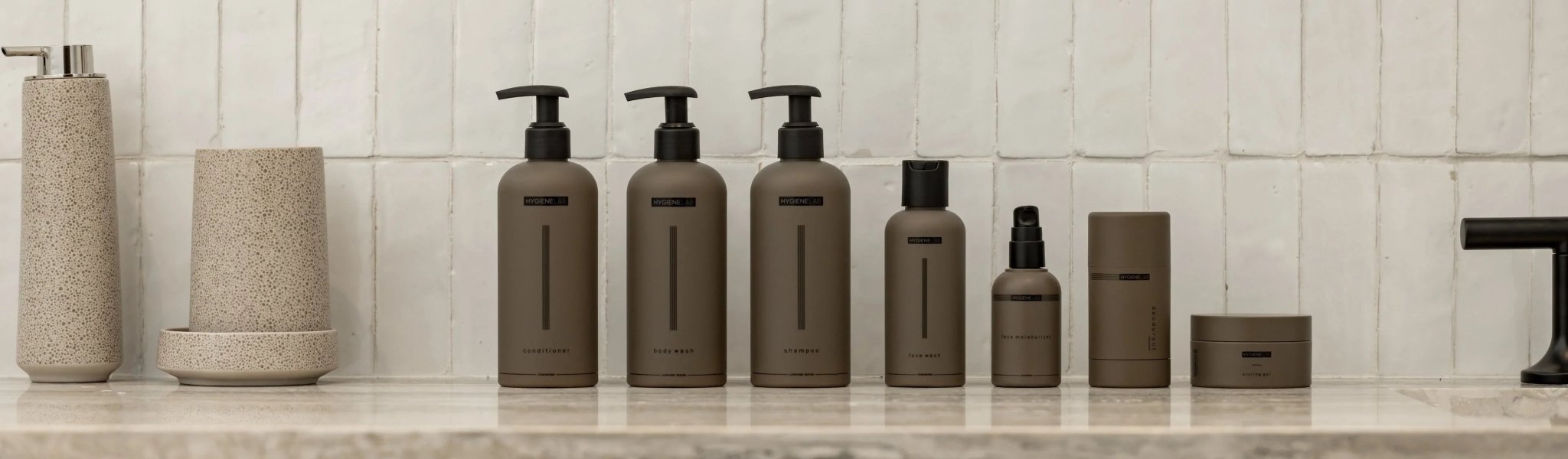
In a world inundated with skincare options, it's becoming increasingly crucial to decipher what ingredients truly benefit your skin without harmful additives. At HygieneLab, we take pride in offering clean personal care products designed specifically for men, free from toxic ingredients. Today, we're excited to shine a spotlight on our two facial essentials: the Daily Facial Wash and the Daily Facial Moisturizer. Daily Facial Wash: Our Daily Facial Cleanser is a refreshing blend of natural ingredients carefully selected to cleanse and rejuvenate your skin without stripping away its natural moisture. Let's delve into the key components and their benefits: Sodium Cocoyl Isethionate (Plant-Derived): Derived from coconuts, this gentle surfactant effectively removes dirt and impurities without causing irritation, making it ideal for sensitive skin types. Niacinamide: Also known as Vitamin B3, niacinamide boasts a myriad of benefits, including reducing inflammation, improving the skin's barrier function, and minimizing the appearance of pores and fine lines. Aloe Barbadensis (Aloe Vera) Leaf Juice: Renowned for its soothing properties, aloe vera calms inflammation and hydrates the skin, leaving it feeling refreshed and revitalized. Tetrahexyldecyl Ascorbate (Vitamin C): A potent form of Vitamin C, this antioxidant helps brighten the complexion, reduce the signs of aging, and protect the skin from environmental stressors. Daily Facial Moisturizer: After cleansing, it's essential to replenish your skin's moisture barrier to keep it hydrated and protected throughout the day. Our Daily Facial Moisturizer is formulated with nourishing ingredients to achieve just that: Squalane: A lightweight moisturizer that mimics the skin's natural oils, providing intense hydration without clogging pores. Ceramides: These lipid molecules help strengthen the skin's barrier, locking in moisture and preventing moisture loss, resulting in smoother, softer skin. Allantoin: Known for its soothing and healing properties, allantoin promotes skin repair, making it ideal for calming irritation and reducing redness. Sodium Hyaluronate: A form of hyaluronic acid, sodium hyaluronate attracts and retains moisture, keeping the skin plump and hydrated while reducing the appearance of fine lines and wrinkles. By incorporating these clean, powerhouse ingredients into your daily skincare routine, you can achieve healthier, more radiant skin without compromising on quality or safety. Say goodbye to harmful toxins and hello to a revitalized complexion with our men's facial care products. Experience the difference of clean skincare today. Your skin will thank you for it. HygieneLab- Empowering Men to Embrace Clean Skincare Solutions.
Learn more